



Bodies: GMC, ISHRS, IDF
Procedures: FUE, DHI
Location: Manchester, Nottingham
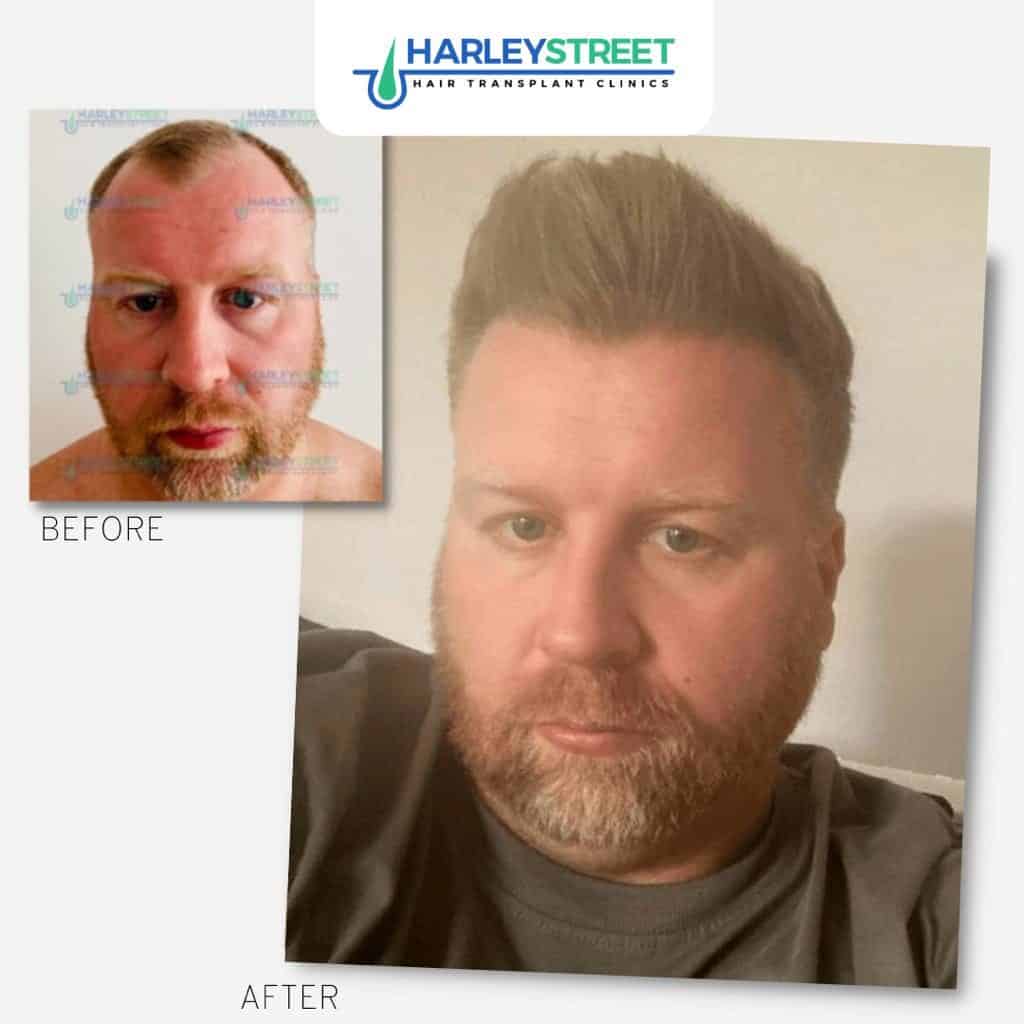
Welcome to the
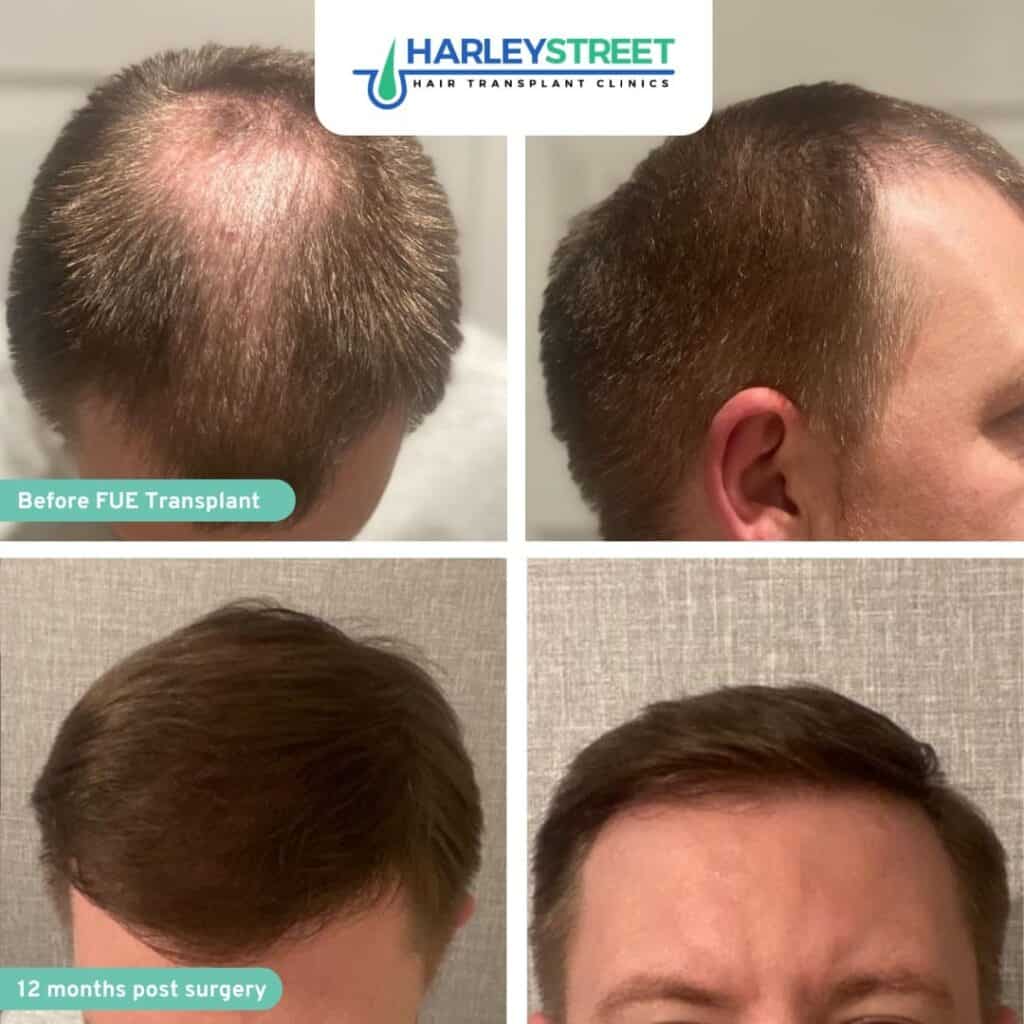
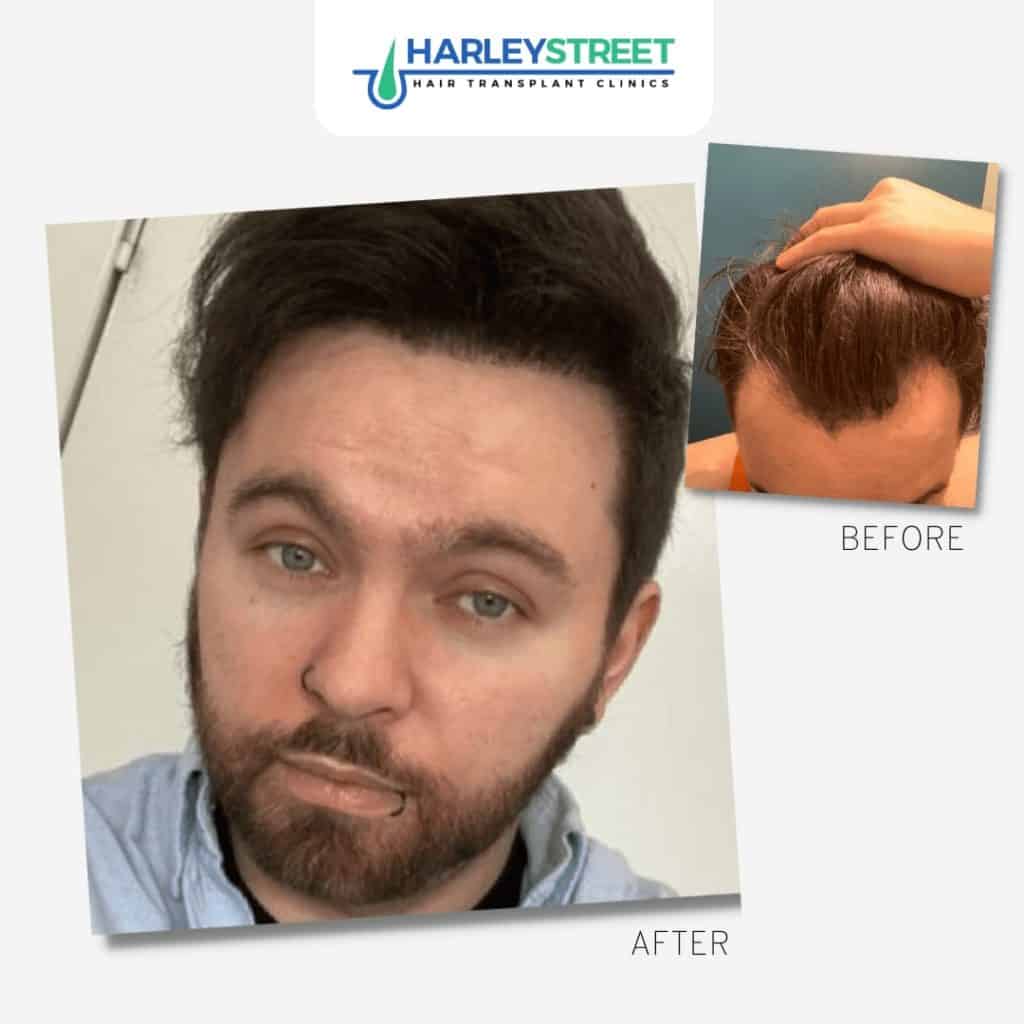
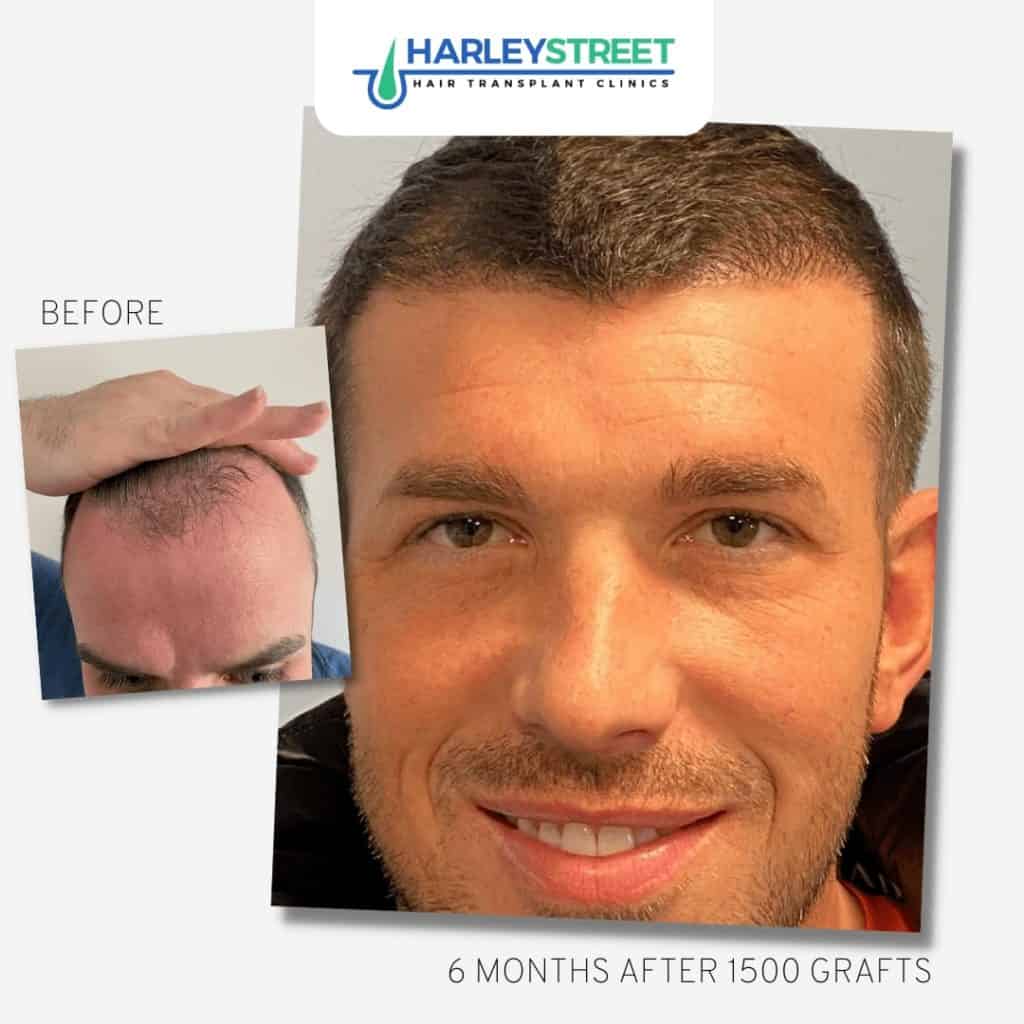
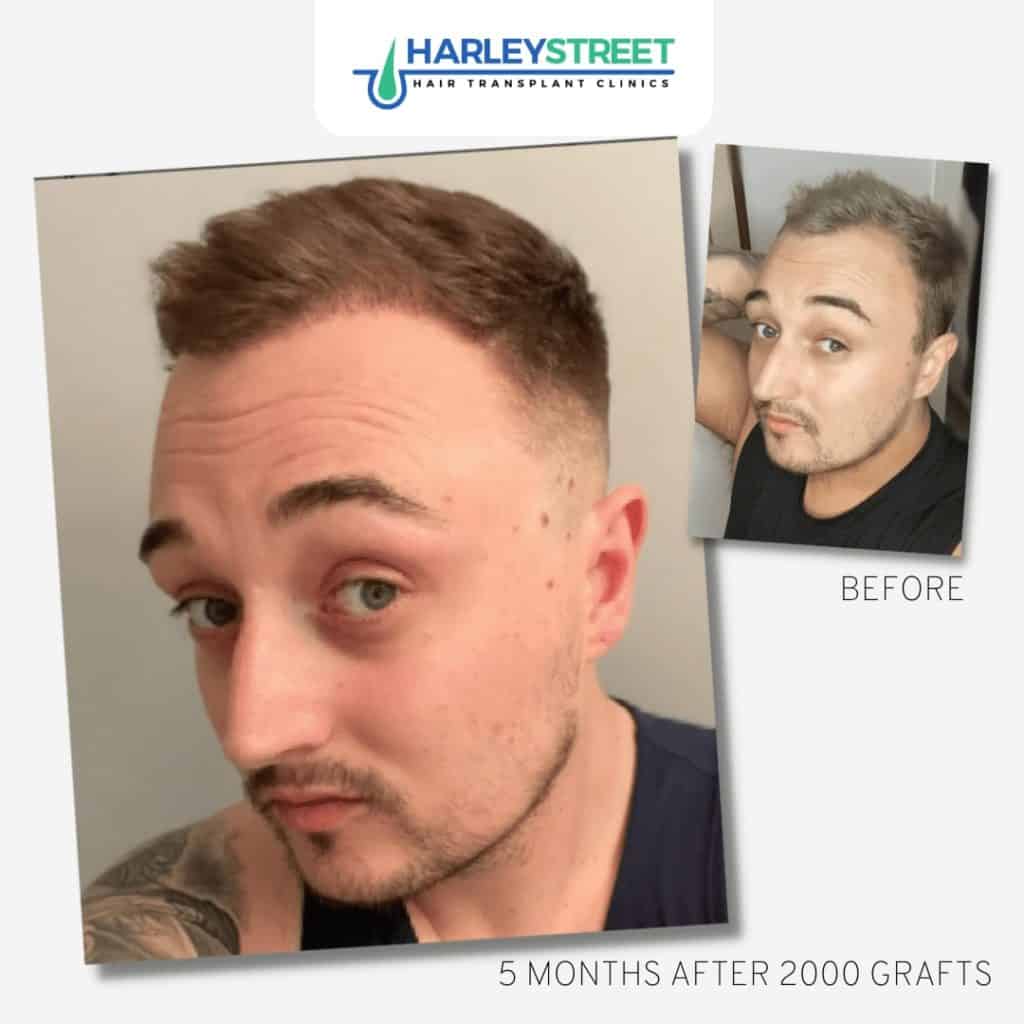
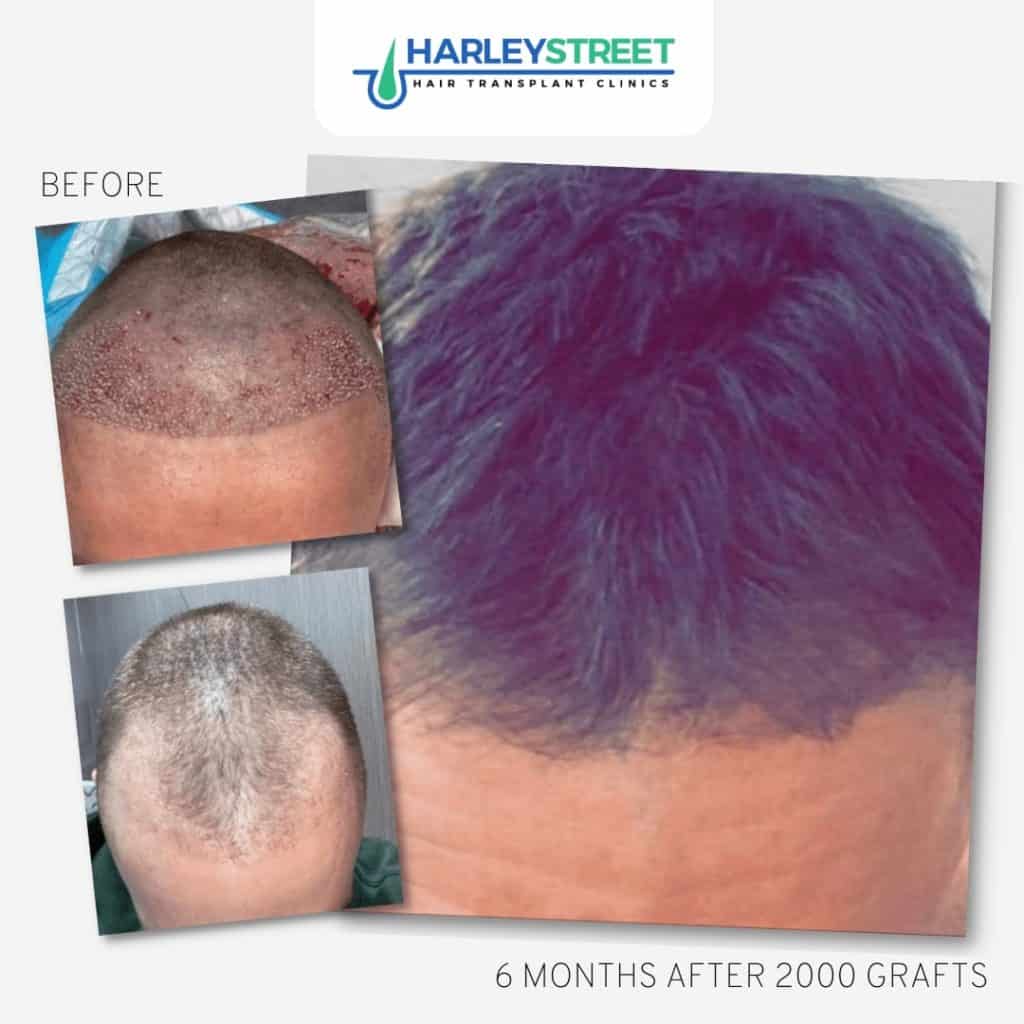
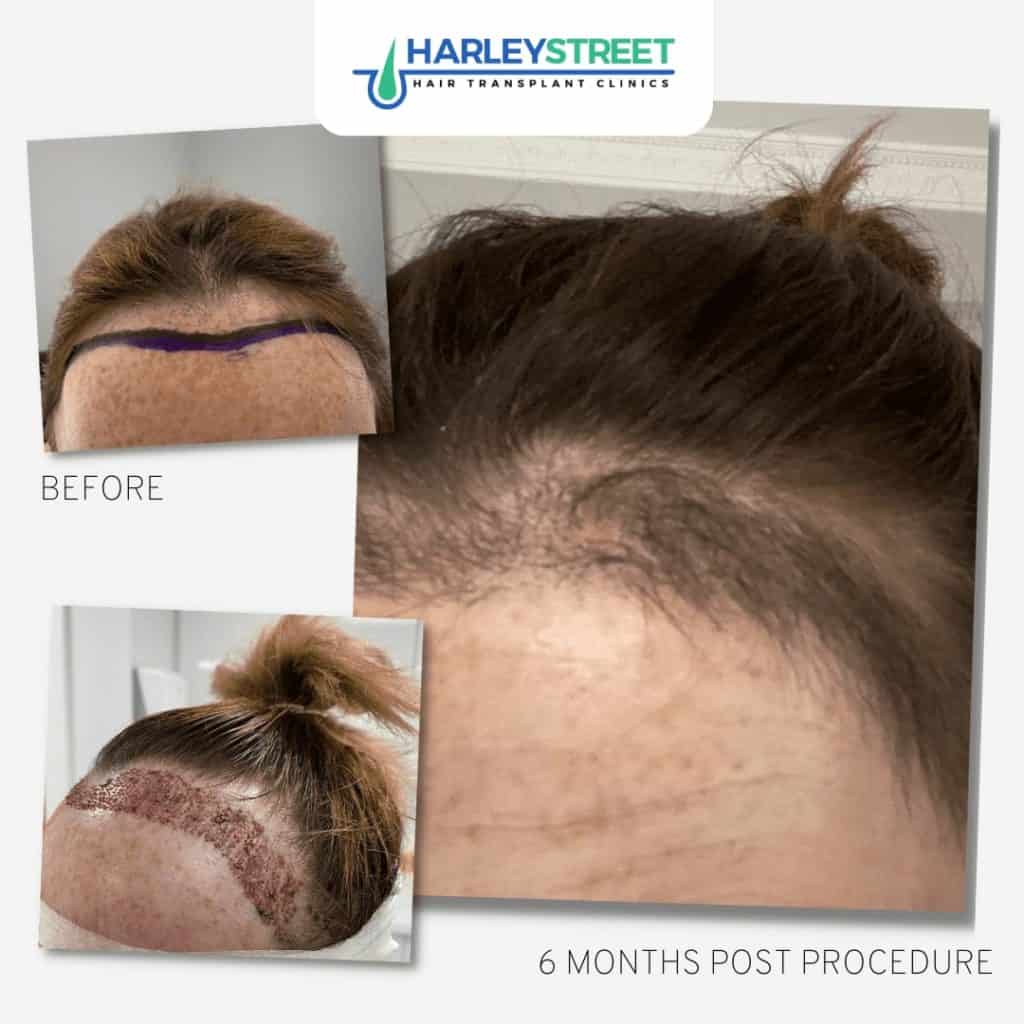
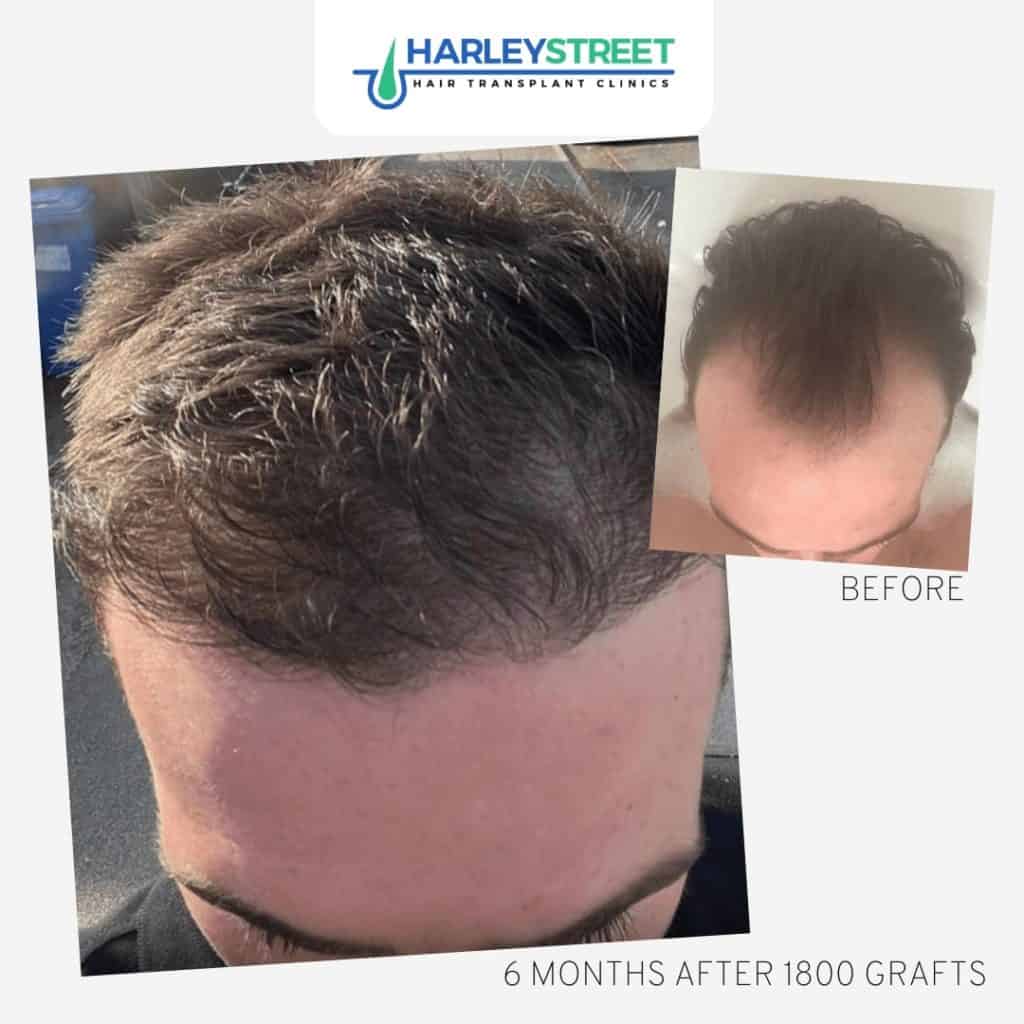
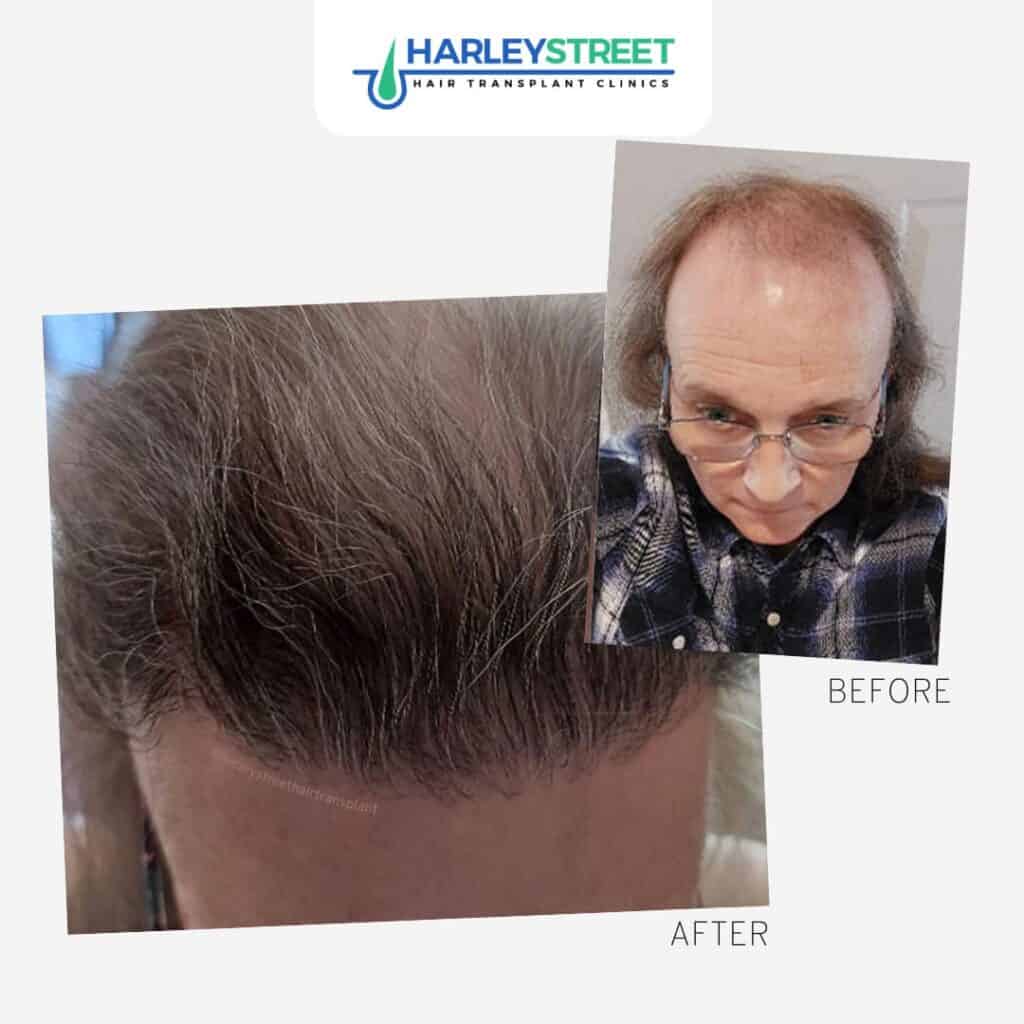
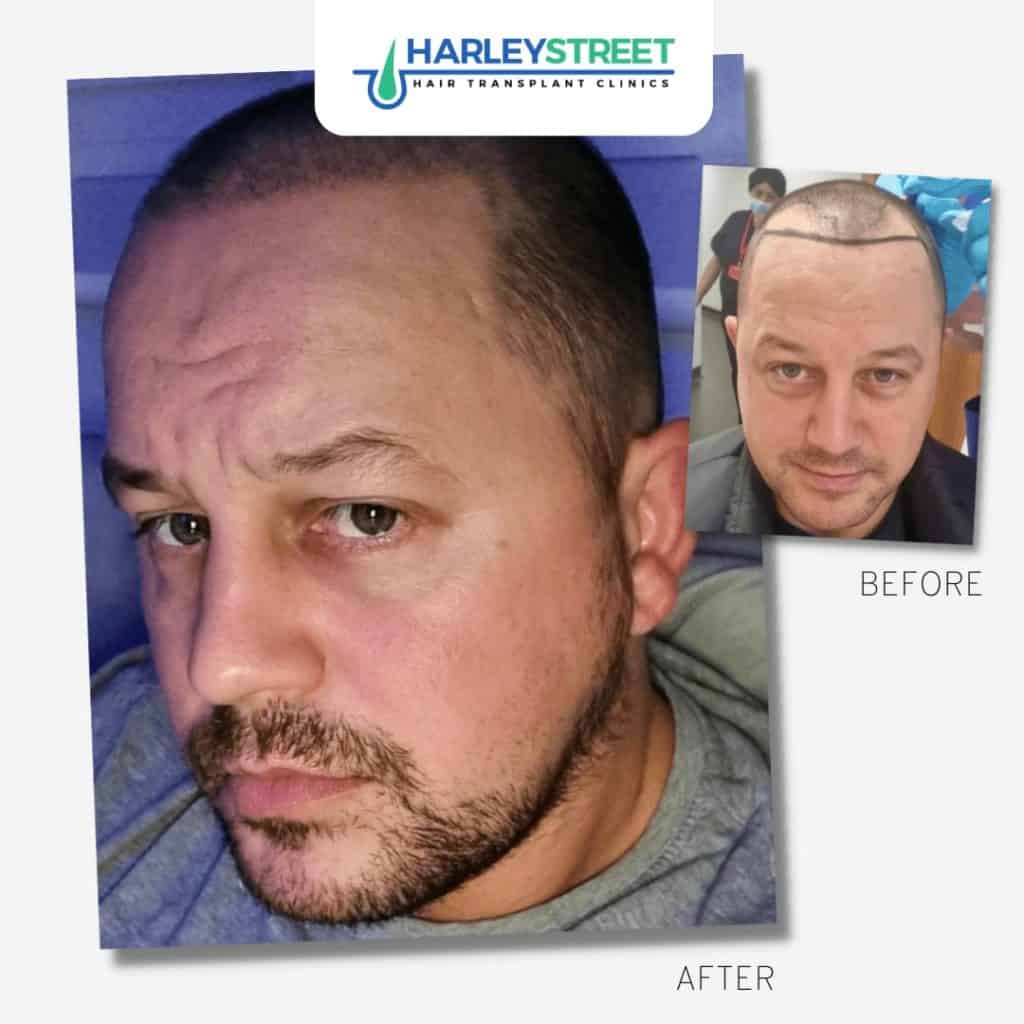
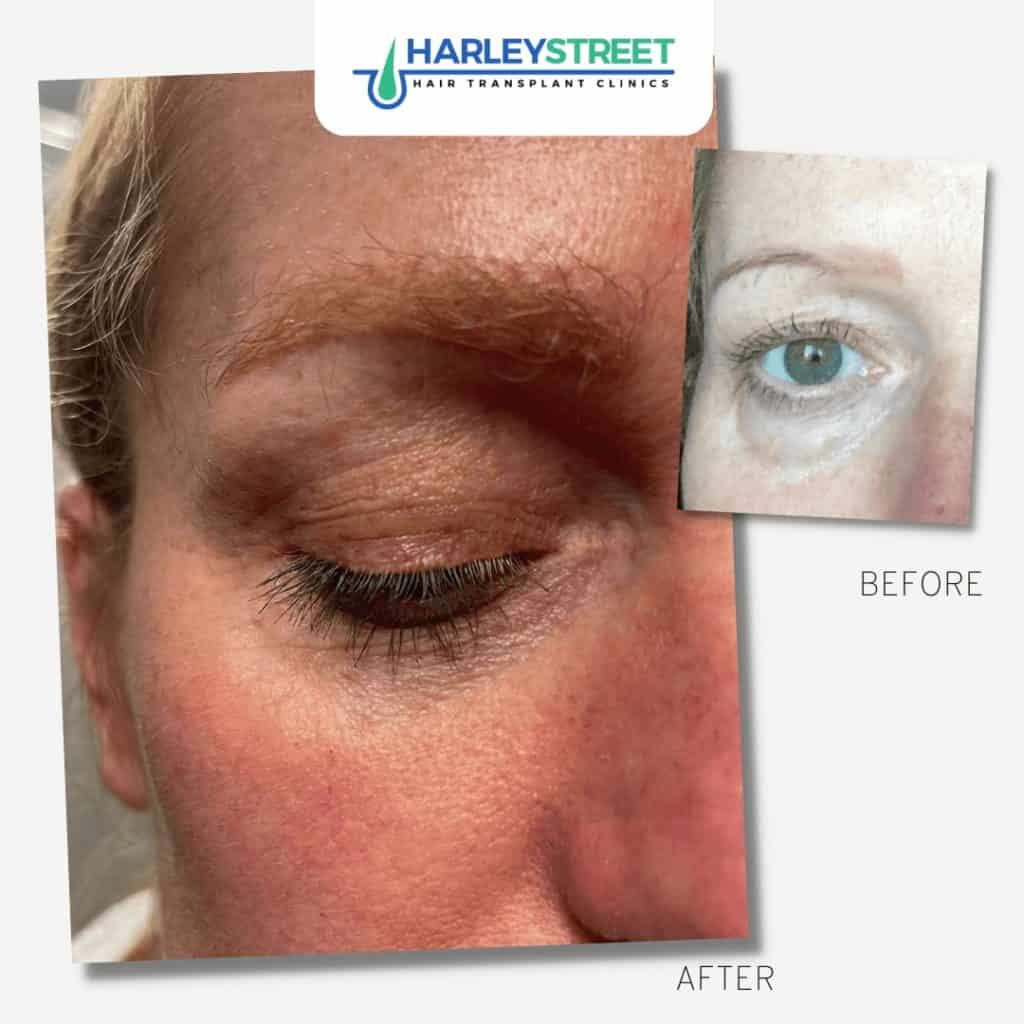
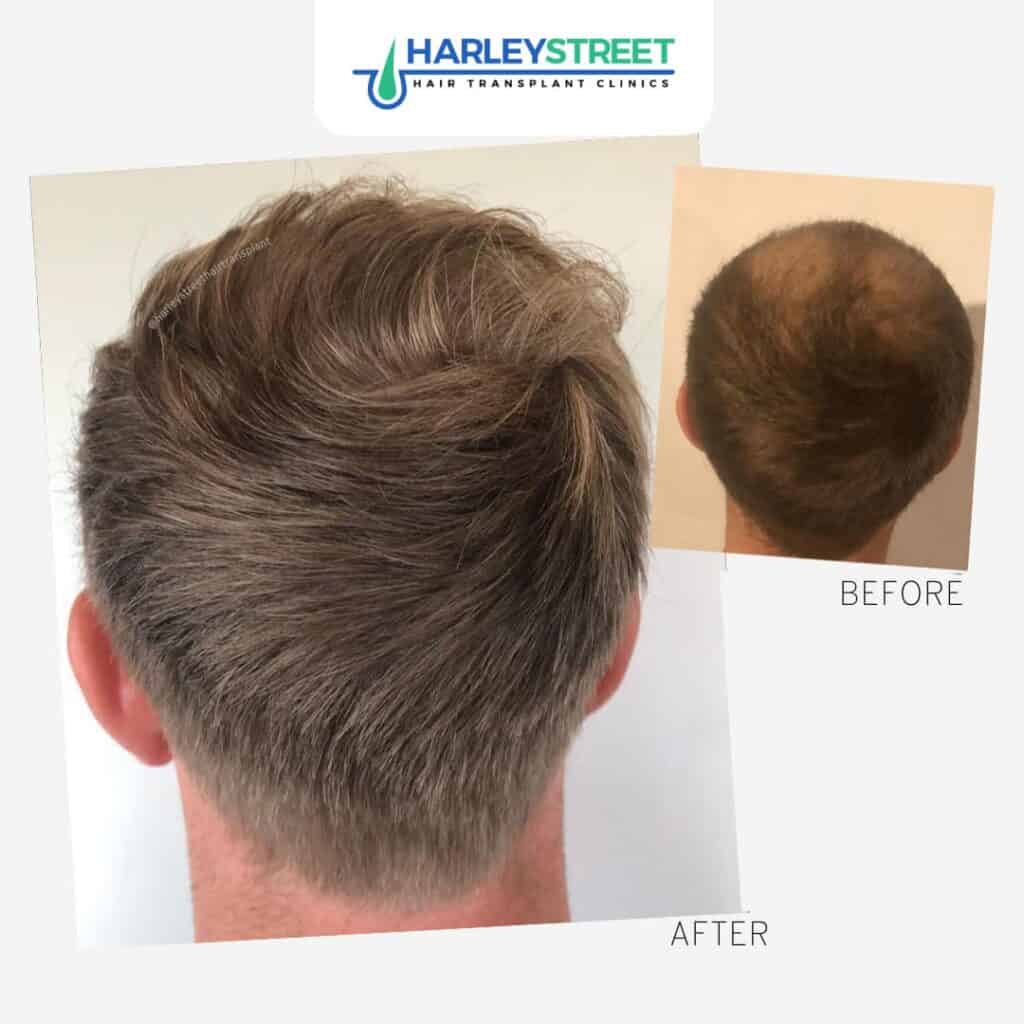
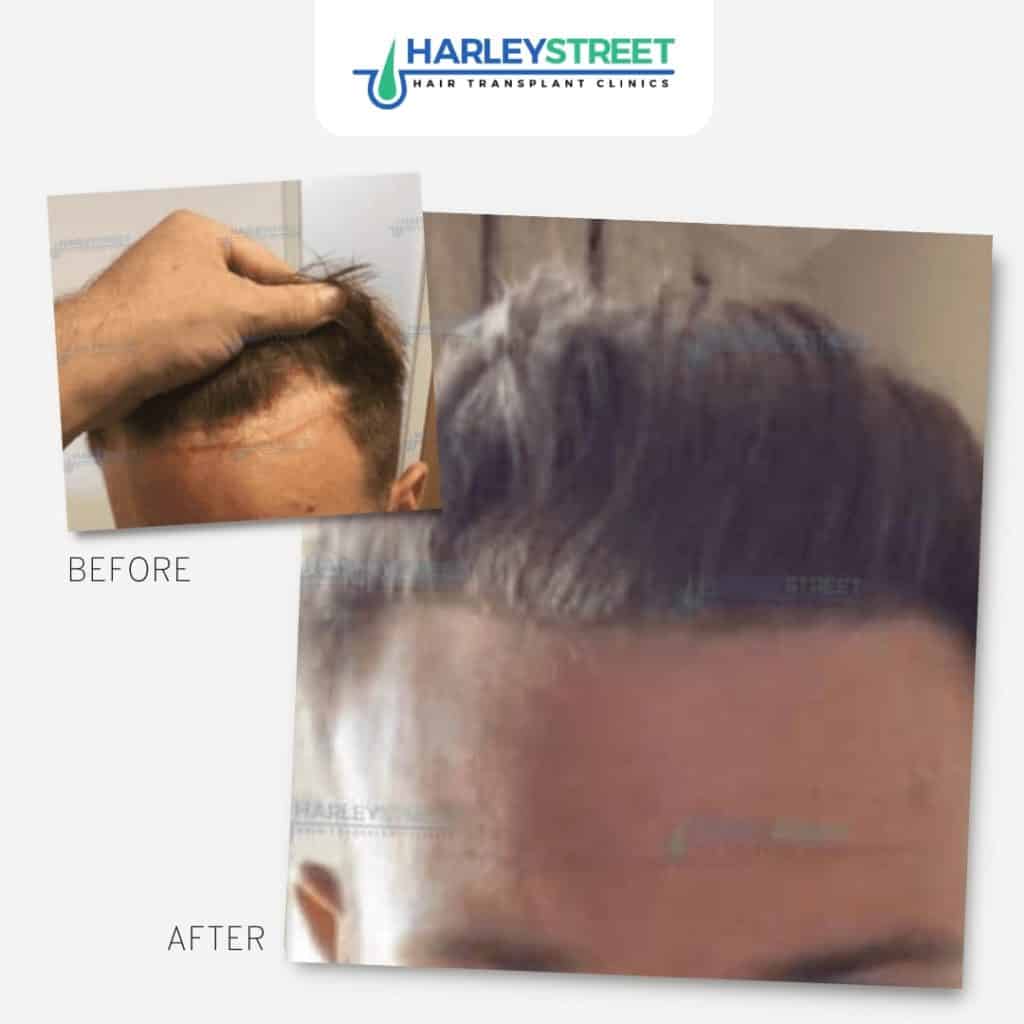
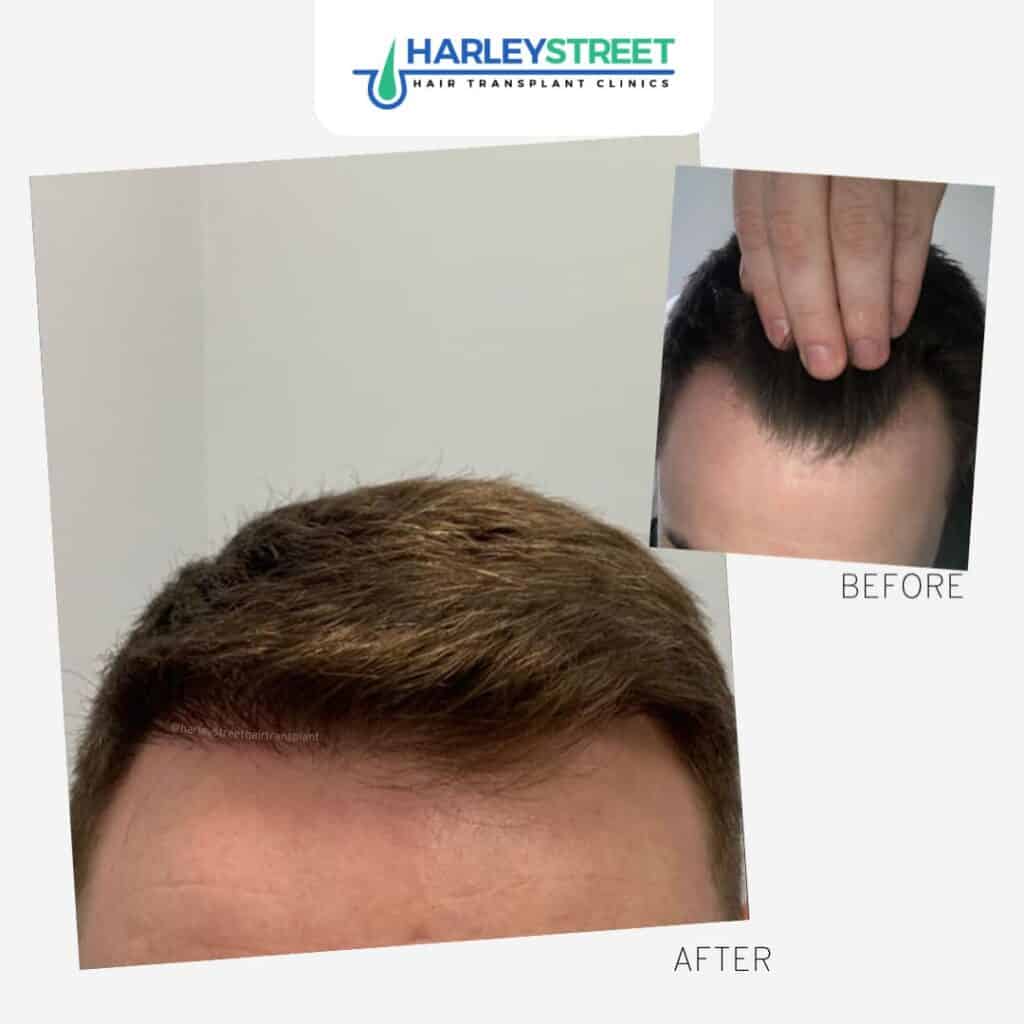
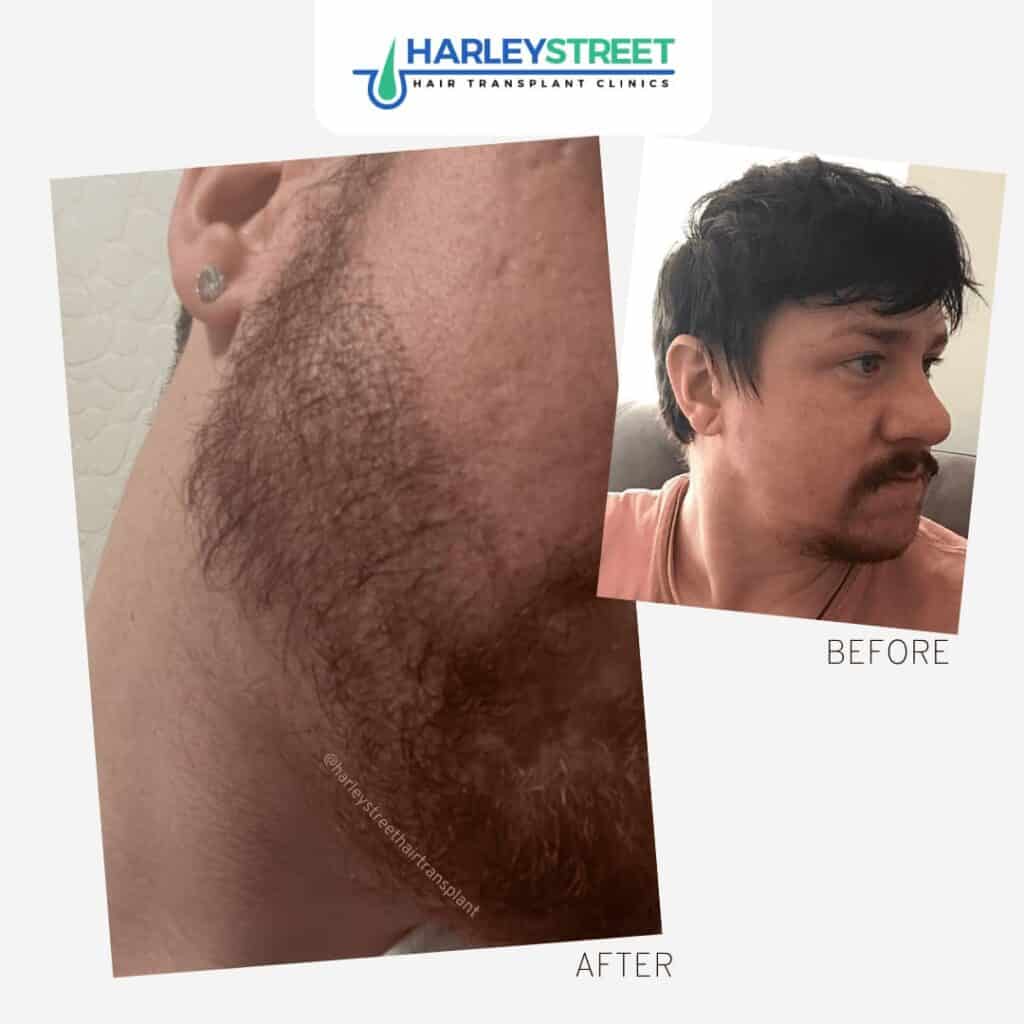
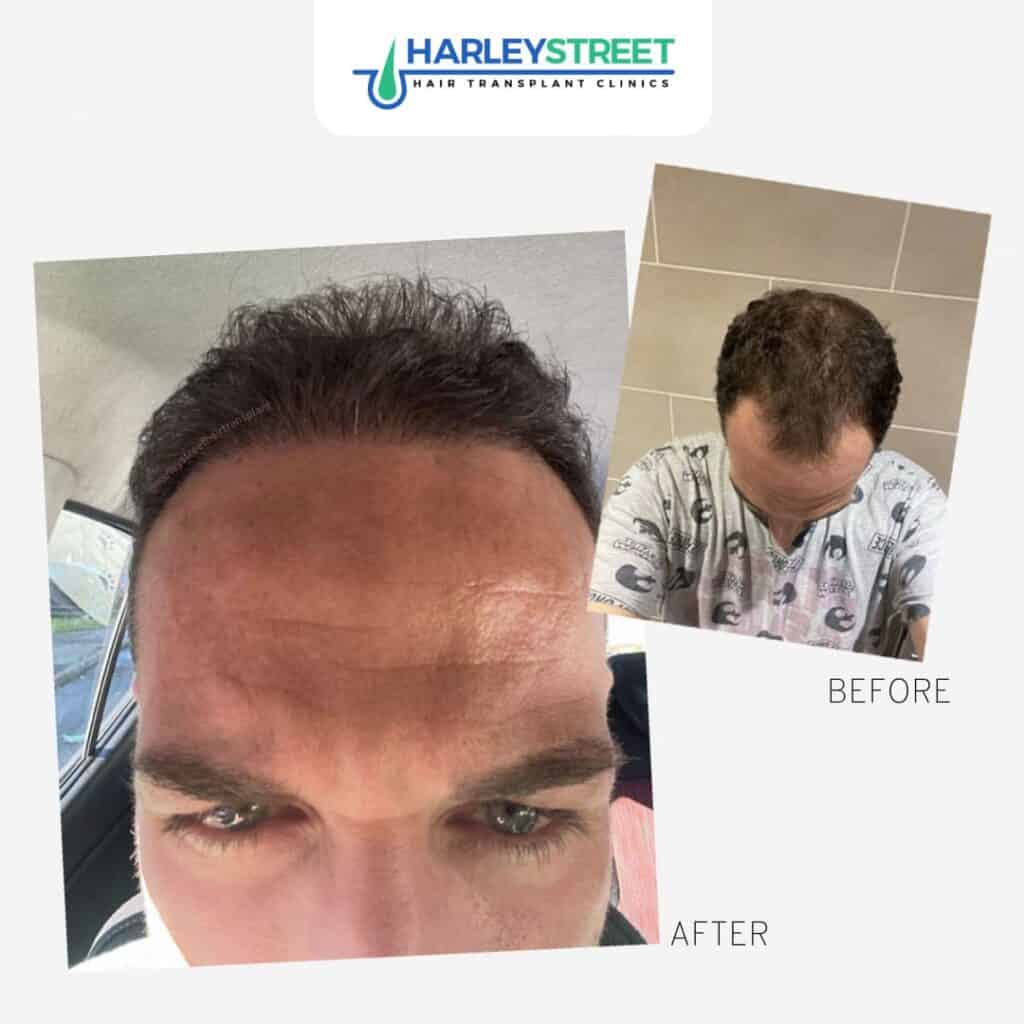
Make the best investment in yourself and find out more about how we can help eliminate hair loss for good!
Aside from achieving fantastic results, we believe that keeping in touch with our patients before, during and after their hair transplantation procedure is paramount – it helps to keep our patients feeling calm and in control. We’re always on hand to provide guidance, support and aftercare advice. Time and again, our patients tell us that this is what sets us apart from other clinics.
You can read our great reviews of FUE hair transplants over on TrustPilot and Google.
 Kieran Dancy19/01/2024"My experience with Harley Street Clinic was exceptional. I was very apprehensive about getting my FUE procedure done, as one would expect. However, Sara reassured me and was very supportive pre and post-procedure. I am so pleased with the result thus far. The new hairline suits my face, and I cannot wait to see the full results. I must thank everyone at the Harley Street Clinic for their support, guidance, and care."I had an outstanding experience with the Harley Street Clinic. Initially, I had some apprehensions about getting my Follicular Unit Extraction (FUE) procedure done, as I was unsure about how it would turn out. However, Sara, who assisted me throughout the procedure, was very supportive and helped calm my nerves. She provided me with thorough pre and post-procedure guidance, which was extremely helpful. I am delighted with the results I have seen so far. The new hairline suits my face perfectly, and I cannot wait to see the full results in the coming months. The team at the Harley Street Clinic was very supportive, and I felt like I was in good hands throughout the entire process. I would like to express my gratitude to everyone at the clinic for their support, guidance, and care. The experience was very positive, and I would highly recommend the Harley Street Clinic to anyone looking to undergo a similar procedure.
 David Price09/01/2024Thank you to the doctor and team. I was well looked after on the day of surgery and I’m really looking forward to the results. Initial anaesthetic injection was the only bit that I didn’t like but other than that, all good. Would recommend. David
 ashley sheppard07/09/2023Lovely surgeon and assistants who made me feel at ease. No pain whatsoever. Would recommend.
 Ross Thorndyke31/07/2023Great surgeon, quick responses. Even drafted a Locum in to cover the original surgeon being on holiday. Very impressed with the set up and the results are very good so far.
 GrayBx17/04/2023To start, their care and procedures are absolutely incredible, if I was to base the review solely on the Dr and nurses I had for my procedure it would be an easy 5 stars. However I am rating only 4 stars, which I would consider slightly generous. I am trans, although very early transition when I had the procedure, and within the consultation I feel I was overlooked of what I wanted. After being asked what I was looking for from the procedure, I said I was trans, and wanted a natural looking feminine hairline (as well as obviously fixing my natural hairline), to which my consultant claimed that a masculine hairline would be easier to look natural. Going along with this, I thought any hairline transplant is better than nothing, and that he was the professional so I should take his advice and bite my tongue. In fairness, I was not wearing make up and was in jeans and a hoodie for the consultation, so maybe what I said just went over his head or maybe he didn’t take me seriously. In hindsight, I wish I didn’t closet myself at the first sign of push back from what I perceived as a medical professional, even talking to my doctor near the end of the procedure I felt comfortable enough to come out to him after what I had initially perceived to be a transphobic clinic (I promise you it’s not), and wish he was the one to do the consultation in the first place. He even said something along the lines of “I’ve done a masculine hairline on you, I wish you had have said something sooner”, and I didn’t want to cause any trouble for my consultant, so I didn’t say anything. All in all, the procedure went perfectly, and has healed really well. Cannot speak any higher of my doctors and nurses (although I have forgotten their names), and although not entirely happy with the hairline I received, it was done perfectly and is 100x better than my natural hairline. To all my trans girlies out there, please make it really clear what you want, look as fem as possible for the consultation, and if they push back at all - don’t let them walk all over you.
 Ricardo David14/12/2022Loved the team!
 Emma Walker27/09/2022I originally took a lot of time researching a hair transplant company within the UK and came across these guys. I have to say that the whole experience has been so smooth from start to finish. Kevin has been nothing but helpful and it was encouraging to know that he only wanted the best for the client. The reason for my hair transplant was traction alopecia and even though I am only 5 days post op I can already see the potential hairline I will have in a few months time. Everything including booking, payment, forms etc was all so easy and straightforward to do with the help of Kevin. The day of the surgery I had my mum come with me and she was able to come into the room to start with before the actual surgery to help choose my hairline and Dr Kalra explained everything not only to me but to my mum also. Then it was onto the actual surgery part of the day and I have to say that while the local anaesthetic injections were pretty painful, the rest of the day was completely relaxing. Dr Kalra and the other staff (sorry I can’t remember their names) totally put me at ease. Everything was explained and if I needed anything all I had to do was ask. Post op I had a lot of bleeding in the donor area which I was worried about but Dr Kalra put my mind at ease straight away. If I had any questions or worries then Dr Kalra and Kevin were always on hand to help. 5 days post op I still have a fair amount of swelling and bruising but it is improving every day and I can’t wait to see results. I’ve booked a PRP session with Dr Kalra for 5 weeks time so I will post another update once that has been done. Thank you to everyone but special thanks to Kevin and Dr Kalra!
 Jack Booth10/09/2022The whole experience was very straight forward and professional and the staff were very friendly. I felt I was in safe hands with Dr Kalra and the others who did the surgery and the aftercare process was explained very clearly to me afterwards.
We offer a range of hair loss treatments from FUE hair transplants to improve your hairline, to beard transplants to give you fuller-looking facial hair as well as eyebrow transplants for a fuller look.
If you’re currently struggling with baldness or thinning hair, then you’re far from alone. Androgenetic alopecia (or more commonly known as male pattern baldness) is a condition that will affect up to 30% of all men by the time they’re 30 years of age, and up to 50% of men by the time they’re 50. We’re here to help boost your confidence, and your hairline!
Hair transplants aren’t just for men – we also offer a range of female hair loss treatments and eyebrow transplants to help restore over-plucked brows.
Find out more about our most popular treatments in the links below:
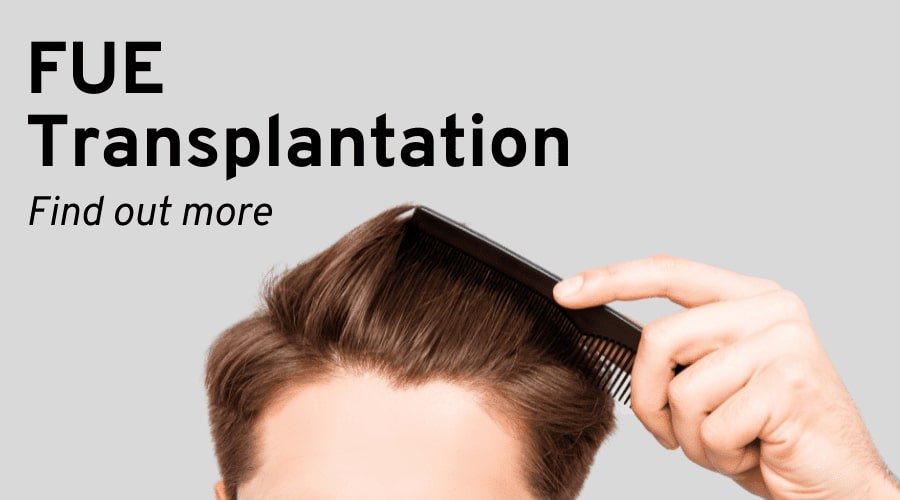
Make the best investment in yourself and find out more about how we can help eliminate hair loss for good!
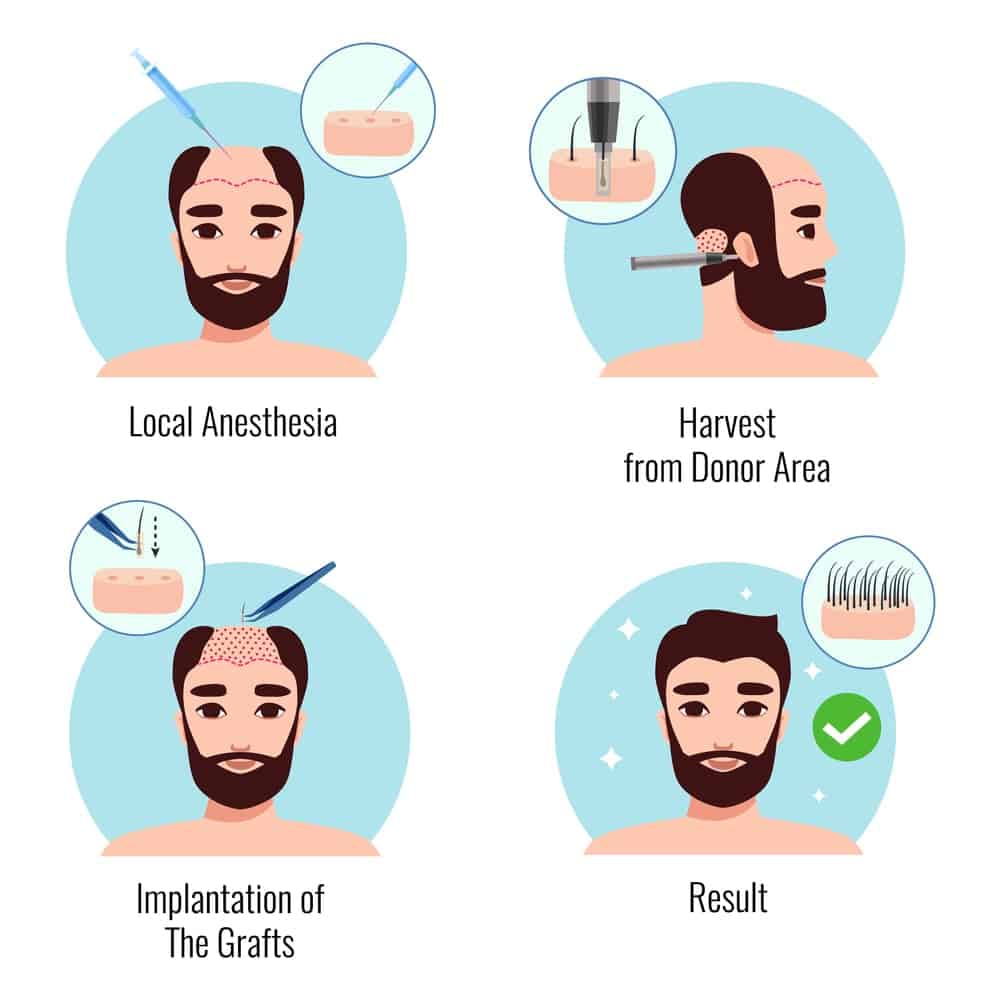
If you’re currently struggling with baldness or thinning hair, then you’re far from alone. Male pattern baldness is a condition that will affect up to 30% of all men by the time they’re 30 years of age, as well as 50% by the time they’re 50. It is caused by a hormone called Dihydrotestosterone (or DHT) and it is responsible for the shrinkage of your hair follicles over time. It typically occurs on the top of your head and is characterised by various Norwood scales. The areas of the sides and back of your head (called donor area) typically don’t get affected and these are used to extract the hair follicles from in order to implant them into the areas of your scalp that have been affected by hair loss.
Some men start noticing the first signs of thinning hair or impending baldness as early as their 20’s or even their teens.
Naturally, there are several hair loss treatments you can turn to, but some are much more effective at treating baldness and thinning hair than others. You can purchase and wear a hairpiece of course, but that’s hardly a proper substitute for your own naturally growing hair. Some men find limited success with topical solutions. However, the most effective way to restore a man’s thinning hair is a hair transplant.
Our team of hair transplant specialists have been involved in the hair restoration industry since 2013 and through this time we have refined our process to treat each client of ours according to their individual hair loss treatment needs. We aim to get to know, understand and set expectations for what can and can’t be done based on the amount of follicles available from the donor area.
All patients can enquire via email, telephone, social media and website form. Here we verify if you qualify for treatment before proceeding further – it’s a free service we provide for our clients who want great results without any hassle or stress.
For clients that qualify, the next step is a consultation (due to COVID we also offer video consultations) with one of our patient advisors/consultants. Before COVID we used to do a lot of face to face consultations, however the vast majority of our consultations are currently virtual (over zoom/skype/facebook messenger). Here we will assess your head from donor area to the areas of hair loss that need treatment.
Post consultation hair loss treatment options will be discussed with you as well as pricing and any finance options available. We know that it’s a big decision to make and so we will provide all of this documentation via email and then you are in the driving seat of when you with to proceed, be it for an fue hair transplant or prp therapy.
Once you have decided to go ahead with the treatment outlined in your consultation, our team will help you prepare for your treatment.
You will be greeted by our team at our clinic on the day of your treatment. You will also meet with and speak with one of our doctors and our tech team prior to your hair loss surgery. Depending on the amount of grafts that you require, your surgery can last from 4-8+ hours. All our procedures are carried out by one of our surgeons along with our technicians that assist them.
All the aftercare instructions will be given to you post procedure by by one of our doctors and we will follow up with an email with instructions. They will also go through what you should expect within the first few of weeks post treatment at which time you can also contact our team if you have any further questions. One of our patient advisors/consultants will also be following up with you in order to check how your hair is growing back and how you are progressing in general. Our aim is to provide the best possible service to you. We know we have achieved this when our work is not noticed and the natural look is achieved.
Bodies: GMC, ISHRS, IDF
Procedures: FUE, DHI
Location: Manchester, Nottingham
We have a well-established team of doctors and surgeons, supported by highly trained technicians with a wealth of experience. All of our surgeons are on the GMC register so you can rest assured you will receive a best in class service.
Our clinics offer treatments all across the UK with flexible appointment times. All of our UK clinics are CQC registered (HIS registered in Scotland), meeting the highest medical standards. Find your closest Harley Street Hair Transplant Clinic below.
Typically it takes around 6-8 hours for a FUE hair transplant. It can take less time typically with eyebrow transplants and it can also take longer (sometimes over a 2 day period) if it’s a large case where a large number of grafts are to be transplanted.
Most of our patients don’t report any significant pain during the procedure. The most painful part of the procedure would be the local anaesthetic injections to numb the areas. Due to the skin on your scalp being much thicker than any other part of your body, the injections are more of a discomfort than painful.
The rest of the procedure doesn’t hurt due to the numbing effects of the local anaesthetic. In fact a number of our patients have fallen asleep as you are lay down on the bed for a few hours at a time.
In short: they last a lifetime. The main reason being is the way a hair transplant works. Hair is taken from your donor area which is typically the hair at the back and sides of your head. The reason being is that this hair is resistant to a hormone called dihydrotestosterone or DHT. This hormone is responsible for the hair loss you have in male pattern baldness and typically affects the top, crown and hairline areas.
The cost of an FUE hair transplant in our London clinic ranges from £3,000 to £7,000 for most hair transplants. Some cases that require a large number of grafts and need to be performed over 2 sessions would cost between £8,000 – £12,000.
Every patient’s hair loss is individual and different to another so we assess everyone on a case by case basis and give them a tailored pricing plan. For more information about costs and pricing we have a hair transplant cost page.